
Why Icicles Form on Your Home and How to Stop Them
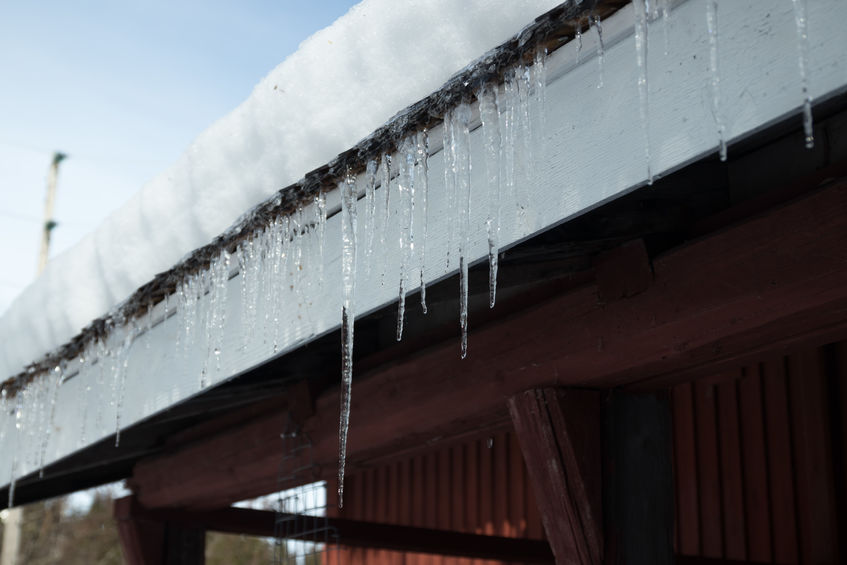
Icicles can look charming after a lake effect storm, but they are usually a warning that heat is escaping into the attic and ventilation is not doing its job. That combination warms the roof deck, melts snow, and lets water refreeze at the cold eaves. Over time, the ice ridge forces meltwater under shingles, stains ceilings, and damages insulation and framing.
How icicles and ice dams really form
Snow blankets the roof. Warm air from the living space leaks into the attic and warms the roof deck. Meltwater runs to the unheated edge, refreezes at the gutter line, and builds a ridge of ice. New meltwater hits that ridge and backs up. Icicles grow where overflow spills past the dam. Clogged gutters can make the mess worse, but the true driver is heat loss and poor airflow in the attic.
Common root causes in Western New York homes
Most homes with icicles share the same patterns: gaps at the ceiling plane around light fixtures, plumbing, and wiring; thin or uneven attic insulation, especially near the eaves; blocked soffit vents or no continuous exhaust at the ridge; bath or kitchen fans exhausting into the attic; leaky attic hatches and warm ducts running through cold spaces.
Diagnose before you treat
Right after a snowfall, step back and compare roof areas. Bare sections above a snow-covered eave point to heat loss. A quick attic look on a cold day is just as revealing. Frost on nail tips, damp insulation, or a musty odor signal warm, moist air reaching the roof deck. Outside, check that soffit vents are open and not buried by insulation and that your ridge or roof vents are unobstructed.
Permanent fixes that work
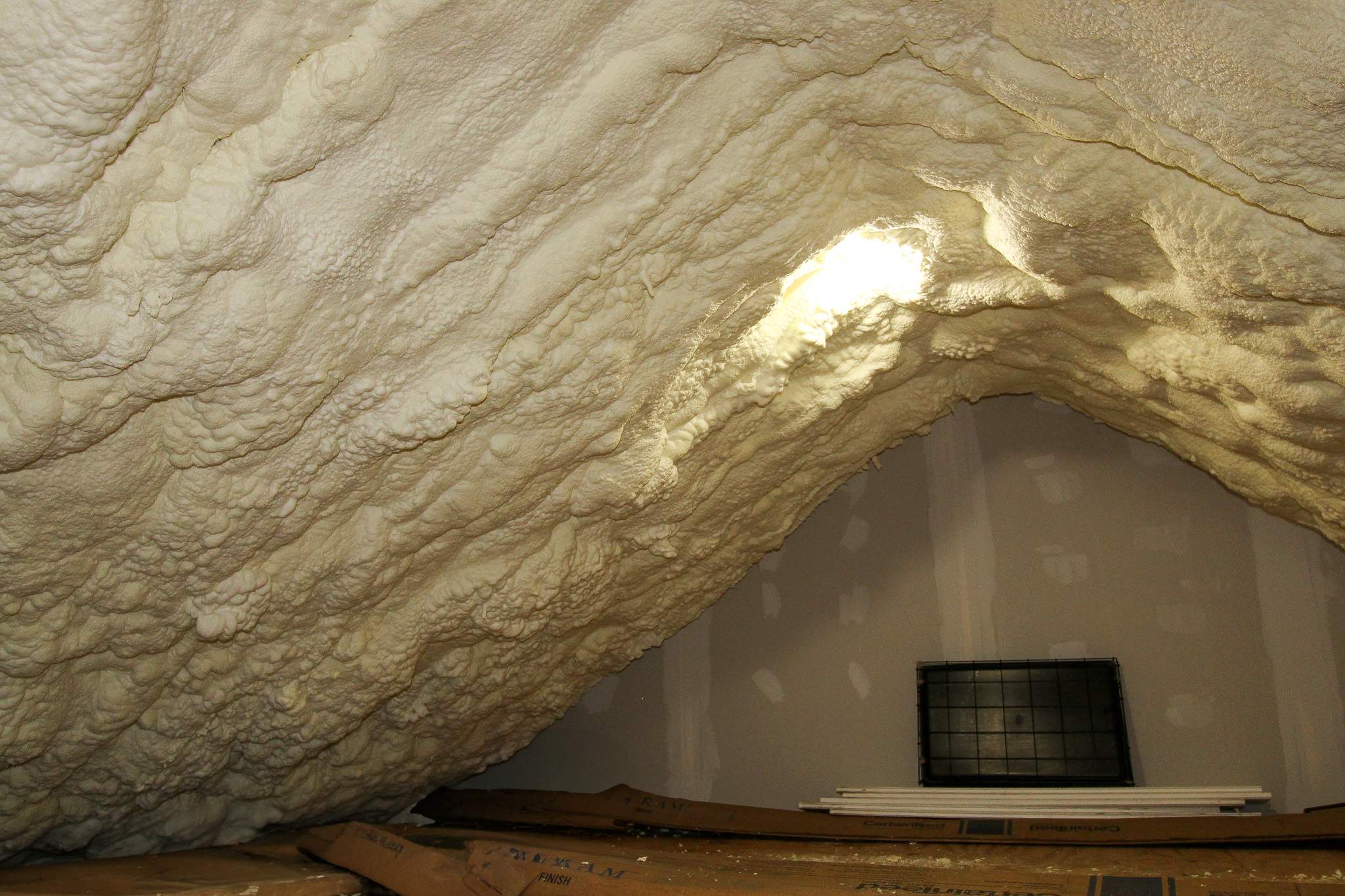
Start by stopping air leaks at the ceiling plane. Seal top plates, wire and pipe penetrations, fan housings, chimney chases, and the attic hatch. Next, bring the attic to the right insulation level for our climate with even coverage all the way to the eaves and baffles that keep ventilation paths clear. Restore balanced ventilation with open soffits feeding a continuous ridge vent or properly sized roof vents. Vent bath and kitchen fans outdoors with sealed, insulated duct. If ducts must run through the attic, air seal and insulate them so they do not warm the roof deck. Keep roof flashing and gutters in good repair so meltwater can drain freely.
If you already have icicles today
Short-term steps can limit damage while you plan the permanent fixes:
- Use a roof rake from the ground to pull snow back from the eaves.
- Place calcium chloride in fabric socks to create melt channels through the ice.
- Call a pro for steam removal if water is entering the house. Avoid chipping with tools that can damage shingles.
The Ivy Lea approach
We inspect the attic air barrier, insulation depth, and ventilation path, then give you a clear plan that prioritizes the highest value work. Our team handles air sealing, blown insulation, baffle installation, proper fan venting, and any needed roof or interior repairs. The goal is simple: a cold, dry attic in winter and a roofline free of icicles.
Ready to prevent icicles for good
If icicles, stains, or drafts are showing up this season, Ivy Lea Construction can help. Call 716-875-8654 or request a HASSLE-FREE ESTIMATE to schedule an evaluation. We fix the cause, not just the symptoms.